Do you need specific containers for pantry organization?
Specific containers can significantly enhance pantry organization by maximizing space and creating a visually appealing layout. Utilizing designated containers helps keep like items together, simplifies access, and reduces food waste.
Understanding pantry needs
Before selecting containers for your pantry, it’s essential to assess your unique needs. Consider the types of food items you store, such as dry goods, canned essentials, baked items, or snacks. Most importantly, evaluate your pantry layout—whether it has adjustable shelves, pull-out drawers, or deep cabinets can influence your choice of containers. Each pantry is a reflection of personal cooking habits, so tailor your container selection to fit those routines.
The benefits of standardizing containers
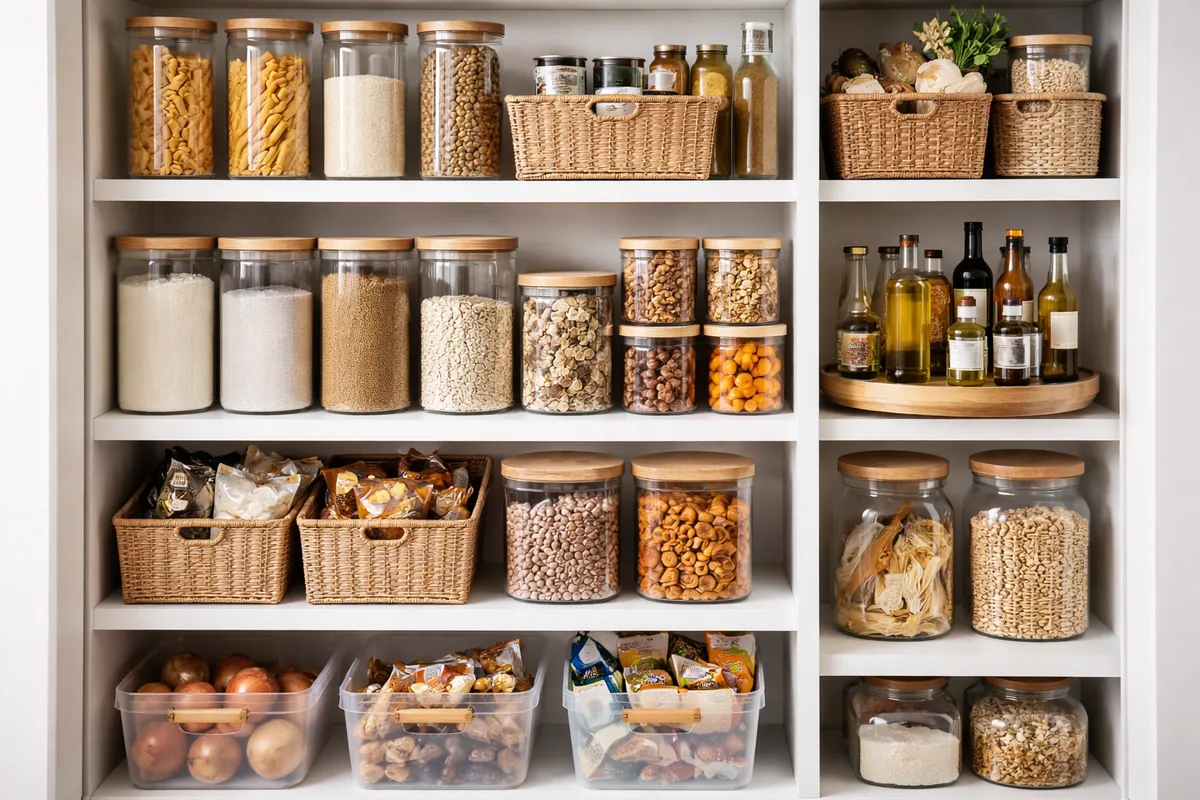
Using specific containers for pantry organization comes with several advantages. A well-chosen set of storage containers not only organizes food but also helps manage inventory more effectively. Standardizing containers can create a cohesive look that makes your pantry visually appealing and easy to navigate. This practice can lead you to quickly see what you have and what you might need, which can reduce impulse buying and waste. Different sizes accommodate different food types—larger containers can house bulk items like flour or rice, while smaller bins can organize snacks or spices. Moreover, transparent containers can allow you to easily identify contents, which further streamlines meal preparation.
Choosing the right materials
The material of your pantry containers is a key consideration in achieving effective organization. Plastic containers are lightweight and often come with tight-fitting lids to help keep foods fresh. Glass containers are heavier but do not retain odors and are dishwasher safe, making them easy to clean. Additionally, glass can add a touch of elegance to your pantry. Metal containers, while sometimes heavier, provide durability and often feature airtight seals. When selecting materials, consider your household’s needs, such as children or pets that may interact with food storage.
Container types for various pantry items
Different types of food items necessitate different container styles. For example, airtight containers are perfect for grains and cereals, ensuring they stay fresh and free from pests. Stackable bins can maximize vertical space in cabinets, while clear bins help quickly identify snacks or kid-friendly options. It's also beneficial to use a labeling system for containers, which aids clarity and helps family members easily find and return items. Below is a breakdown of ideal containers by category:
| Food category | Recommended container type | Material |
|---|---|---|
| Grains and pasta | Airtight containers | Plastic or glass |
| Canned goods | Bin or basket | Metal or plastic |
| Spices | Small jars | Glass or plastic |
| Snacks | Clear, stackable bins | Plastic |
| Baking supplies | Airtight containers | Glass or plastic |
Storage tips for optimizing space
Maximizing pantry space goes beyond choosing containers. Consider the use of shelf risers or tiered organizers which allow for better visibility of items stacked behind one another. Using clear containers helps everyone in the household know where to find items, reducing clutter from food items strewn about the pantry. Group similar items together to further optimize organization and enhance efficiency during cooking. Rotating items based on usage frequency, with higher-use items at eye level and less frequently used items stored higher, adds to a functional organization system.
Maintaining an organized pantry
After setting up an organized pantry with the right containers, maintaining it is crucial. Regularly check expiration dates and remove expired items to prevent clutter buildup. When replenishing supplies, take the initiative to restock older items first to ensure freshness. A routine clean-out every few months can also help you reassess your pantry needs and container effectiveness.
Conclusion: Investing in specific containers
Investing in specific containers tailored for pantry organization is a strategic decision that offers numerous benefits. They not only bring order to your pantry but also enhance cooking efficiency, minimize waste, and create a pleasant cooking environment. Taking the time to select the right containers can transform your pantry into a well-organized space that meets your needs. With these guidelines and considerations, you can confidently approach your pantry organization project and create a functional, beautiful area that serves your cooking habits well.
FAQ
What types of containers are best for storing grains?
Airtight containers made from plastic or glass are ideal for storing grains to keep them fresh and pest-free.
How can I organize my pantry effectively?
Group similar items, use clear containers for visibility, and implement a labeling system to maintain organization.
Are metal containers good for pantry storage?
Metal containers are durable and often provide an airtight seal, but consider maintenance, as they can scratch and dent more easily.
How often should I clean my pantry?
A thorough clean-out every three months is recommended to eliminate expired items and assess organizational efficiency.
Can I use recycled containers for pantry organization?
Recycled containers can work well if they are clean, airtight, and suitable for food storage, but ensure they meet safety standards.